
Behind the Lens: Photographing Inghams New Somerville Factory
When Ingham's opened the doors of their new Somerville facility, we were on-site to photograph it. It's the kind of project that doesn't get talked about much in photography circles, factories and industrial sites rarely get the same attention as cafes, retail fit-outs, or product shoots, but shooting inside a working facility is a genuinely interesting technical and logistical challenge. More Below
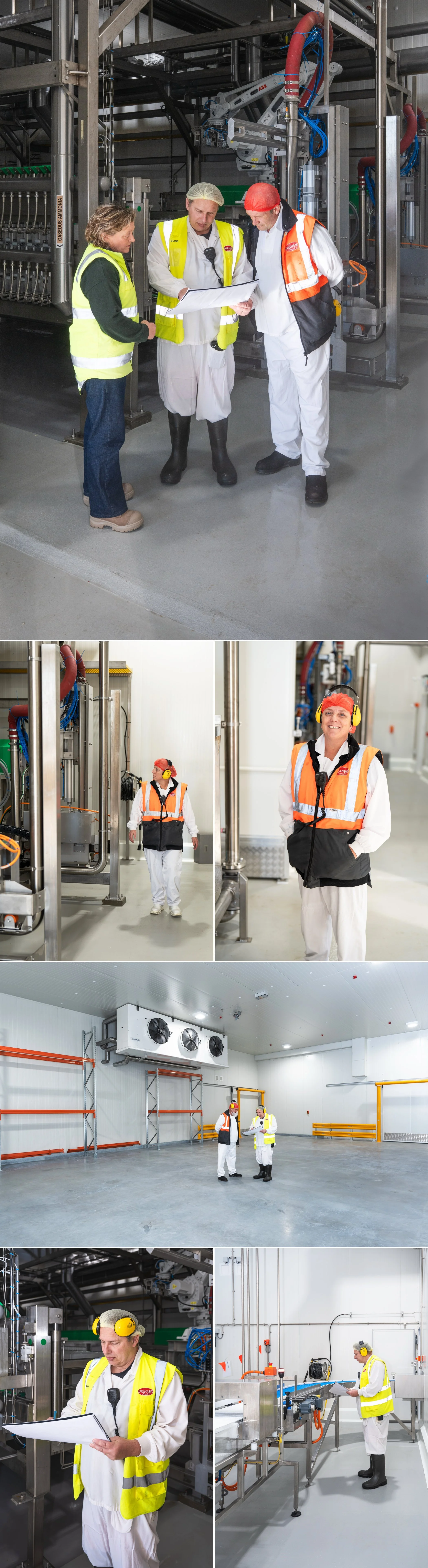
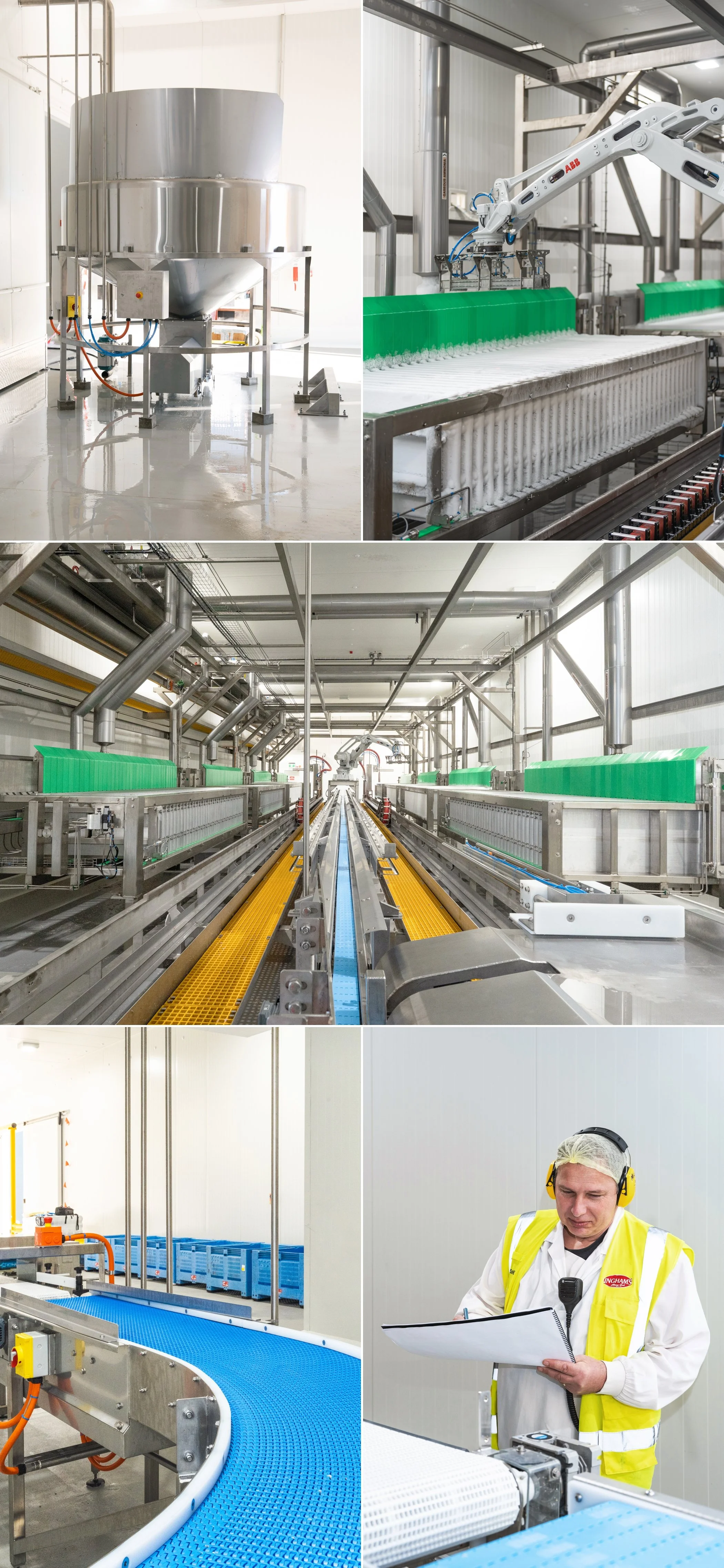
Here's a look at how the shoot came together, and some of the thinking behind photographing industrial and manufacturing spaces more generally.
Getting Access and Planning the Shoot
Factories are working environments first, photo sets second. Before we even picked up a camera, the shoot required:
Site inductions and safety briefings - food processing and manufacturing sites have strict hygiene, PPE, and safety protocols that any photographer needs to follow to the letter.
Coordinating around live production - shoots need to work around operating machinery and staff schedules, not the other way around.
A clear shot list - from wide establishing shots of the building and production lines, through to detail shots of equipment, packaging, and people at work.
Good planning is half the job. Knowing what the client needs the images for — a press release, a careers page, a corporate report — shapes every lens choice and angle before you arrive on-site.
The Photography Challenges of Industrial Spaces
Shooting inside a working factory throws up a different set of problems to a studio or a wedding:
Mixed and difficult lighting — factories often combine harsh overhead fluorescents, sodium lighting, and natural light from high windows or skylights, all in the same frame. Balancing colour temperature and exposure across a single shot takes careful use of white balance correction and sometimes supplementary lighting.
Scale — production lines and warehouse spaces are huge. Choosing when to go wide to show scale, and when to go tight to show detail and craftsmanship, is a constant judgement call.
Movement and safety — machinery, forklifts, and staff moving through the space mean a photographer needs to work quickly, stay aware, and know how to freeze motion cleanly under low light.
Reflective and stainless surfaces — food processing equipment is full of stainless steel, which bounces light everywhere. Controlling reflections and hot spots is a skill in itself.
What We Delivered
For the Somerville project, the brief covered the full picture of a modern manufacturing facility- wide interior shots of the production floor, detail images of equipment and packaging lines, and environmental portraits of staff at work. The result was a library of images versatile enough for corporate communications, social media, and internal use - all shot to look polished without looking staged.
An Overlooked Genre
Industrial and factory photography doesn't get much attention, but it's some of the more technically demanding work out there - mixed lighting, scale, safety considerations, and moving machinery all at once. Manufacturing, food production, and logistics businesses are increasingly commissioning this kind of photography, whether for recruitment, reporting, or just having real imagery of their own operations rather than generic stock photos.
The Somerville shoot was a good reminder of why we enjoy this kind of work - factories and industrial sites are full of visual detail that's easy to walk past every day but looks completely different through a camera.